Build a conspiracy theory from scratch.
The best way to learn to spot a conspiracy theory is to make one yourself.
Pick a real news story. On the next step you'll choose who's behind it and why. Then walk through the four moves real conspiracists use, with a debunk on every step.
- Hunt anomalies — turn coincidence into evidence of a secret plot.
- Fabricate connections — draw lines between unrelated dots until they look meaningful.
- Dismiss counter-evidence — if a fact disagrees, make the fact part of the cover-up.
- Discredit the critics — dismiss people who point out flaws in your theory.
Pick the event.
Choose whichever real-feeling headline your imagination will run wildest with. Don't overthink it.
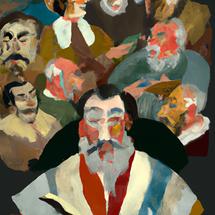
1,300 languages ranked by complexity
Linguists have long thought that social context shapes grammar: communities with many non-native speakers, like trade hubs, were believed to favor simpler, easier-to-learn systems, while isolated, homogenous groups develop dense, specialized grammatical rules. A new study compiled measurements across about 1,300 languages to test whether languages used mainly by “societies of strangers” indeed show reduced grammatical complexity compared with languages used in more stable, insider communities.
Populist Support Declines in Europe
An annual YouGov-Cambridge Globalism Project survey, reported by The Guardian, finds that support for populist ideas has fallen across several European countries over the past three years. The survey measures attitudes like distrust of elites, favoring strong national control, and opposition to immigration. In the latest cycle, populist sentiment declined in ten European nations, indicating fewer people now express broad populist beliefs than in earlier years.

Robots replace talent scouts in music industry crisis
For decades the music industry relied on A&R scouts—talent spotters who traveled to clubs, small venues and local gigs looking for acts with hit potential. In recent years that search has moved online as social media and streaming platforms such as TikTok and Spotify let artists reach large audiences without labels. Record companies now monitor streams, follower growth and viral trends to decide where to invest, changing how new talent is discovered and promoted.
Wealthy Nations Urged to Contribute
A new international nature fund set up under the Global Environment Facility aims to help developing countries meet the biodiversity targets agreed at the COP15 summit in Montreal. The fund’s creation was one of the most-contentious issues at those talks, prompting walkouts and repeated negotiations between wealthy and poorer nations. So far, only Canada and the United Kingdom have pledged money, leaving roughly $40 million still needed to capitalise the fund ahead of COP16 next year.