Build a conspiracy theory from scratch.
The best way to learn to spot a conspiracy theory is to make one yourself.
Pick a real news story. On the next step you'll choose who's behind it and why. Then walk through the four moves real conspiracists use, with a debunk on every step.
- Hunt anomalies — turn coincidence into evidence of a secret plot.
- Fabricate connections — draw lines between unrelated dots until they look meaningful.
- Dismiss counter-evidence — if a fact disagrees, make the fact part of the cover-up.
- Discredit the critics — dismiss people who point out flaws in your theory.
Pick the event.
Choose whichever real-feeling headline your imagination will run wildest with. Don't overthink it.

Tools Reveal Hidden Website History
Online tools now let anyone view past versions of websites, exposing changes that site owners may have made over time. The Wayback Machine at archive.org stores snapshots of millions of pages, while archive.today preserves copies that sometimes survive when other archives don’t. The Memento Project links these services and helps users search by URL and date, making it easier to see how pages, policies, and content evolved.
Kansas orders deletion of seized files
A Kansas judge has ordered authorities to delete all electronic copies made from files seized during a police search of the Marion County Record, a small local newspaper. The searches, carried out nearly two weeks earlier, removed computers and cellphones from the paper’s office. The court order requires that digital copies created from those devices be destroyed, limiting how officials may keep and use material gathered in the raid.

Email from Russia
Garry Kasparov, the Russian-born former world chess champion, has publicly endorsed Anatoly Fomenko’s “New Chronology,” a radical revision of world history. Fomenko’s thesis argues that much of what we call ancient history is misdated or duplicated and that the actual historical timeline is far shorter than commonly believed. Kasparov says he finds the questions it raises important and plans to spend more time promoting these ideas as he moves away from professional chess.
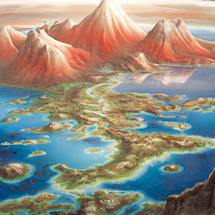
Lost continent discovered
Geoscientists have identified a largely submerged landmass called Zealandia, or Te Riu-a-Māui, that meets the criteria many researchers use for a continent. Covering about 1.89 million square miles (roughly 4.9 million square kilometres), Zealandia is mostly underwater — about 90–95 percent — and includes the visible islands of New Zealand and New Caledonia. Debate about its status grew over decades and many geologists accepted it as a continent in analyses published in recent years.