Build a conspiracy theory from scratch.
The best way to learn to spot a conspiracy theory is to make one yourself.
Pick a real news story. On the next step you'll choose who's behind it and why. Then walk through the four moves real conspiracists use, with a debunk on every step.
- Hunt anomalies — turn coincidence into evidence of a secret plot.
- Fabricate connections — draw lines between unrelated dots until they look meaningful.
- Dismiss counter-evidence — if a fact disagrees, make the fact part of the cover-up.
- Discredit the critics — dismiss people who point out flaws in your theory.
Pick the event.
Choose whichever real-feeling headline your imagination will run wildest with. Don't overthink it.
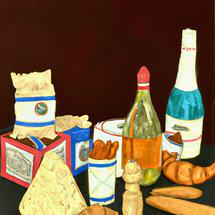
Ultra-processed foods increase health risks
Two new studies presented at the European Society of Cardiology’s annual meeting found links between consuming ultra-processed foods and higher risks of heart disease, including heart attacks and strokes. Ultra-processed foods are widely available consumer items such as fizzy drinks, many breakfast cereals, packaged snacks and ready-made meals. One analysis reported that a 10 percent increase in daily ultra-processed food intake was associated with about a 6 percent rise in risk of cardiovascular disease.
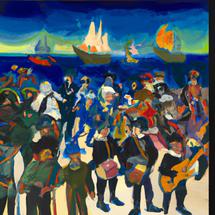
Robots replace talent scouts in music industry crisis
For decades the music industry relied on A&R scouts—talent spotters who traveled to clubs, small venues and local gigs looking for acts with hit potential. In recent years that search has moved online as social media and streaming platforms such as TikTok and Spotify let artists reach large audiences without labels. Record companies now monitor streams, follower growth and viral trends to decide where to invest, changing how new talent is discovered and promoted.
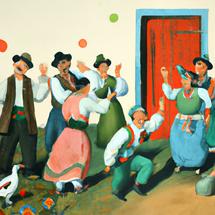
Laughter benefits heart health significantly
Researchers presented new findings at the European Society of Cardiology meeting showing that laughter therapy can improve some measures of heart health in people with coronary artery disease. In the study, patients took part in guided laughter sessions while researchers measured inflammation markers and cardiovascular performance before and after. The reported results included lower inflammation and improved indicators of heart function after the laughter interventions.
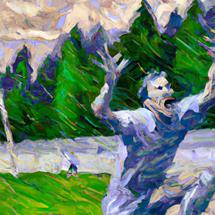
Footballer stole Munch's Scream painting
In 1994 Pål Enger, a former Norwegian footballer, carried out a high-profile theft of Edvard Munch's famous painting The Scream from the National Gallery in Oslo. Enger entered the museum and removed the canvas in a theft that quickly made international headlines. The painting is one of Munch's best-known works, and its disappearance drew intense media and police attention because of its cultural significance and the bold manner in which it was taken.