Build a conspiracy theory from scratch.
The best way to learn to spot a conspiracy theory is to make one yourself.
Pick a real news story. On the next step you'll choose who's behind it and why. Then walk through the four moves real conspiracists use, with a debunk on every step.
- Hunt anomalies — turn coincidence into evidence of a secret plot.
- Fabricate connections — draw lines between unrelated dots until they look meaningful.
- Dismiss counter-evidence — if a fact disagrees, make the fact part of the cover-up.
- Discredit the critics — dismiss people who point out flaws in your theory.
Pick the event.
Choose whichever real-feeling headline your imagination will run wildest with. Don't overthink it.
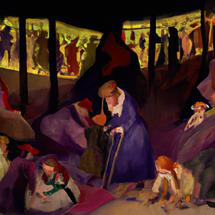
Pandemic led to varied changes
Research compiled by YouGov shows that the COVID-19 pandemic prompted different changes in daily routines around the world. In some places people slept more—Saudi Arabia, Brazil, China and Turkey reported increases—while Australians and Britons admitted to drinking more and residents of Mexico, Brazil and Spain reported cutting back on alcohol. Exercise rose in countries including China, Saudi Arabia, Mexico and the United States, and various nations reported shifts in diet quality.
Fitbit App Redesigned for Fall
Google plans to release a redesigned Fitbit app this fall that reorganizes the interface into three main tabs: "Today," "Coach," and "You." The refreshed app will display daily health statistics, offer motivational and coaching content, and present goal overviews and trends. Google says the update will improve how fitness data is presented and protected, and it appears visually aligned with leaked looks of the upcoming Pixel Watch 2 and possibly the Pixel 8 phones.
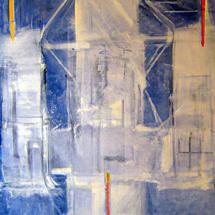
Diller transformed architecture with innovation
Elizabeth Diller is a leading architect and founding partner of Diller Scofidio + Renfro, a firm known for projects that blur art, performance, and architecture. Trained at Cooper Union, she moved from visual art into architecture and co-authored the influential book Flesh, which challenged traditional ideas about buildings and spatial experience. Her work—including the High Line, the Blur Building, and The Shed—emphasizes experimentation, collaboration, and attention to how people use public space.
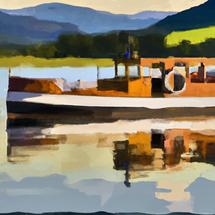
Loch Ness Monster search resumes
The Loch Ness search, described as the biggest in fifty years, took place over the weekend at Scotland’s Loch Ness. The Loch Ness Centre partnered with Loch Ness Exploration to run the operation and invited volunteers to join boat patrols that ran from about 10 a.m. to 6 p.m. Organizers set up 17 official spotting points around the loch and asked the public to report any unusual sightings to the survey team.