Build a conspiracy theory from scratch.
The best way to learn to spot a conspiracy theory is to make one yourself.
Pick a real news story. On the next step you'll choose who's behind it and why. Then walk through the four moves real conspiracists use, with a debunk on every step.
- Hunt anomalies — turn coincidence into evidence of a secret plot.
- Fabricate connections — draw lines between unrelated dots until they look meaningful.
- Dismiss counter-evidence — if a fact disagrees, make the fact part of the cover-up.
- Discredit the critics — dismiss people who point out flaws in your theory.
Pick the event.
Choose whichever real-feeling headline your imagination will run wildest with. Don't overthink it.
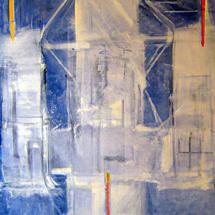
Diller transformed architecture with innovation
Elizabeth Diller is a leading architect and founding partner of Diller Scofidio + Renfro, a firm known for projects that blur art, performance, and architecture. Trained at Cooper Union, she moved from visual art into architecture and co-authored the influential book Flesh, which challenged traditional ideas about buildings and spatial experience. Her work—including the High Line, the Blur Building, and The Shed—emphasizes experimentation, collaboration, and attention to how people use public space.
Video games aid paralyzed speech
Researchers at Speech Graphics, UC San Francisco and UC Berkeley report a brain–computer interface that helped a woman who lost speech after a stroke communicate again. Tiny electrodes were placed on the surface of her brain to record neural activity while she attempted to speak. That recorded activity was decoded into written text, a synthetic voice and real-time facial animation using software originally developed for video-game characters such as those in The Last of Us Part II and Hogwarts Legacy.

Mastering Humor: Timing, Delivery, Connection
Comedy writers and performers say telling a good joke is harder than it looks: timing and delivery can make or break a punchline. Jokes work by surprising the listener with an unexpected twist, clever wordplay, or absurd imagery that creates a vivid mental picture. Short, sharp jokes often land best because they set up an idea quickly and then flip it — for example, an Edinburgh Fringe-winning pun: "I started dating a zookeeper, but it turned out he was a cheetah."
UK spy agencies seek AI data law changes
British intelligence services have asked lawmakers to change surveillance rules so they can use personal data to train artificial intelligence systems. The agencies say current safeguards and legal limits prevent them from applying modern AI tools to very large datasets, which they argue reduces their ability to detect threats and process communications quickly. They are proposing legal adjustments to allow broader automated analysis while keeping some privacy protections in place.