Build a conspiracy theory from scratch.
The best way to learn to spot a conspiracy theory is to make one yourself.
Pick a real news story. On the next step you'll choose who's behind it and why. Then walk through the four moves real conspiracists use, with a debunk on every step.
- Hunt anomalies — turn coincidence into evidence of a secret plot.
- Fabricate connections — draw lines between unrelated dots until they look meaningful.
- Dismiss counter-evidence — if a fact disagrees, make the fact part of the cover-up.
- Discredit the critics — dismiss people who point out flaws in your theory.
Pick the event.
Choose whichever real-feeling headline your imagination will run wildest with. Don't overthink it.
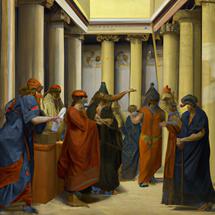
Fixing the British Museum's Anachronism
The British Museum is dealing with a major internal crisis after allegations that a senior curator removed and sold roughly 2,000 items from its collection via eBay. Reports say the revelations prompted the museum director to resign and have led to calls for an independent review. The case has drawn attention to weaknesses in oversight and controls at one of the world’s largest museums, raising questions about how objects are tracked and safeguarded.

Cat bite leads to new bacterial infection
A 48-year-old man in the UK was bitten by a stray cat and developed a serious soft tissue infection. Doctors and microbiologists investigated the wound and identified a previously undescribed species of the bacterium Globicatella as the cause. The finding is reported in the journal Emerging Infectious Diseases, which describes how the organism was isolated and linked to the bite after routine laboratory testing and genetic analyses.

Meta seeks EU consent for ads
Meta, the company that owns Facebook and Instagram, says it will start asking users in the European Union for permission to show personalized advertising. The move follows regulatory rulings that challenged Meta’s data-collection methods for targeted ads. Rather than relying on a “legitimate interest” justification, Meta has conceded it must obtain explicit consent under EU data-protection rules before using people’s personal data to tailor ads on its platforms.
1,300 languages ranked by complexity
Linguists have long thought that social context shapes grammar: communities with many non-native speakers, like trade hubs, were believed to favor simpler, easier-to-learn systems, while isolated, homogenous groups develop dense, specialized grammatical rules. A new study compiled measurements across about 1,300 languages to test whether languages used mainly by “societies of strangers” indeed show reduced grammatical complexity compared with languages used in more stable, insider communities.