Build a conspiracy theory from scratch.
The best way to learn to spot a conspiracy theory is to make one yourself.
Pick a real news story. On the next step you'll choose who's behind it and why. Then walk through the four moves real conspiracists use, with a debunk on every step.
- Hunt anomalies — turn coincidence into evidence of a secret plot.
- Fabricate connections — draw lines between unrelated dots until they look meaningful.
- Dismiss counter-evidence — if a fact disagrees, make the fact part of the cover-up.
- Discredit the critics — dismiss people who point out flaws in your theory.
Pick the event.
Choose whichever real-feeling headline your imagination will run wildest with. Don't overthink it.

Influential marketing leaders shaping creators
Rolling Stone and Captiv8 published a feature identifying twenty marketing leaders they say are shaping the fast-growing creator economy. The article explains how marketers connect creators, brands, and audiences by promoting branded content and designing experiences that reach large online followings. As entertainment shifts from traditional media to creator-driven platforms, marketers are increasingly responsible for deciding which creators gain visibility and how brand partnerships enter cultural conversations.
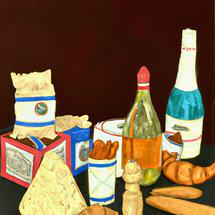
Ultra-processed foods increase health risks
Two new studies presented at the European Society of Cardiology’s annual meeting found links between consuming ultra-processed foods and higher risks of heart disease, including heart attacks and strokes. Ultra-processed foods are widely available consumer items such as fizzy drinks, many breakfast cereals, packaged snacks and ready-made meals. One analysis reported that a 10 percent increase in daily ultra-processed food intake was associated with about a 6 percent rise in risk of cardiovascular disease.

Cat bite leads to new bacterial infection
A 48-year-old man in the UK was bitten by a stray cat and developed a serious soft tissue infection. Doctors and microbiologists investigated the wound and identified a previously undescribed species of the bacterium Globicatella as the cause. The finding is reported in the journal Emerging Infectious Diseases, which describes how the organism was isolated and linked to the bite after routine laboratory testing and genetic analyses.
1,300 languages ranked by complexity
Linguists have long thought that social context shapes grammar: communities with many non-native speakers, like trade hubs, were believed to favor simpler, easier-to-learn systems, while isolated, homogenous groups develop dense, specialized grammatical rules. A new study compiled measurements across about 1,300 languages to test whether languages used mainly by “societies of strangers” indeed show reduced grammatical complexity compared with languages used in more stable, insider communities.