Build a conspiracy theory from scratch.
The best way to learn to spot a conspiracy theory is to make one yourself.
Pick a real news story. On the next step you'll choose who's behind it and why. Then walk through the four moves real conspiracists use, with a debunk on every step.
- Hunt anomalies — turn coincidence into evidence of a secret plot.
- Fabricate connections — draw lines between unrelated dots until they look meaningful.
- Dismiss counter-evidence — if a fact disagrees, make the fact part of the cover-up.
- Discredit the critics — dismiss people who point out flaws in your theory.
Pick the event.
Choose whichever real-feeling headline your imagination will run wildest with. Don't overthink it.

Film's production plagued by misfortune
William Friedkin’s 1977 film Sorcerer is a tense thriller about four desperate men hired to transport highly unstable explosives across dangerous, remote roads. Inspired by Georges Arnaud’s novel and echoing the earlier French film The Wages of Fear, Sorcerer aimed for a raw, realistic tone. Friedkin, fresh from the success of The Exorcist, pushed for authentic locations and intense performances to heighten the film’s unrelenting atmosphere.

Fish sees with skin posthumously
Researchers report that reef-dwelling hogfish have light-sensitive cells embedded in their skin, allowing the animals to sense brightness and adjust their colour without relying solely on eyes. The study, published in Nature, shows this skin-based photoreception can continue to influence colour change even after death. Hogfish live in Atlantic reefs and can shift hues in milliseconds. Those rapid changes aid camouflage, social signalling and may help with temperature regulation and attracting mates.
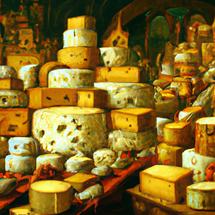
World's priciest cheese record broken.
Spain’s cabrales blue cheese set a new world record when a 2.2kg wheel sold at auction for €30,000, making it officially the most expensive cheese ever sold. The wheel took the top prize at the Principality of Asturias’ annual cabrales competition, and the high bid surpassed the previous record. Reporters say the buyer was the same restaurant owner who paid the earlier record price in 2019.
West's Voters Divided by Identity
A recent YouGov–Cambridge Globalism Project survey finds that voters in Western democracies are more divided by identity and partisan loyalty than by specific policy positions. Researchers describe strong "affective polarization": people feel intense dislike for opposing groups even when those groups often share similar views on key debates such as sexism, racism, and economic policy. The findings challenge the idea that culture wars are mainly about conflicting opinions; instead, much conflict appears driven by who people see as "us" versus "them."