Build a conspiracy theory from scratch.
The best way to learn to spot a conspiracy theory is to make one yourself.
Pick a real news story. On the next step you'll choose who's behind it and why. Then walk through the four moves real conspiracists use, with a debunk on every step.
- Hunt anomalies — turn coincidence into evidence of a secret plot.
- Fabricate connections — draw lines between unrelated dots until they look meaningful.
- Dismiss counter-evidence — if a fact disagrees, make the fact part of the cover-up.
- Discredit the critics — dismiss people who point out flaws in your theory.
Pick the event.
Choose whichever real-feeling headline your imagination will run wildest with. Don't overthink it.

Airline to weigh passengers pre-flight.
South Korea's flag carrier Korean Air will begin weighing passengers and their carry-on luggage at Gimpo and Incheon airports. The Ministry of Land, Infrastructure and Transportation has required the checks to collect actual passenger weights for aircraft weight-and-balance calculations. Airline officials say measuring passengers helps crews calculate load distribution, takeoff performance, and fuel needs more accurately than relying on assumed average weights. Officials emphasize it is about technical calculations, not personal data collection.

Global Views on American Cultural Influence
A YouGov survey carried out in nine countries across Europe, Australia and Singapore measured public views on American cultural influence. The study found that most people recognize U.S. impact in entertainment: 66% to 89% of respondents said American movies, television and music shape their local culture. Roughly half also reported significant American influence in news media, national political norms, everyday language and consumer brands, showing that perceptions extend beyond entertainment.
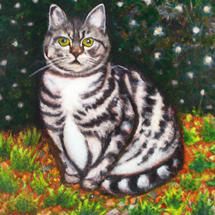
Cat bite leads to new bacterial infection
A 48-year-old man in the UK was bitten by a stray cat and developed a serious soft tissue infection. Doctors and microbiologists investigated the wound and identified a previously undescribed species of the bacterium Globicatella as the cause. The finding is reported in the journal Emerging Infectious Diseases, which describes how the organism was isolated and linked to the bite after routine laboratory testing and genetic analyses.

Promote longevity through lifestyle choices
Scientists and doctors point out that many health problems run in families, and the diseases now affecting older baby boomers can offer a warning about what people might face later in life. Advances in DNA sequencing make it possible to find gene variants that raise the chances of heart disease, diabetes and some cancers. Identifying those risks early gives doctors and patients options for monitoring, preventive treatment and tailored medical care.