Build a conspiracy theory from scratch.
The best way to learn to spot a conspiracy theory is to make one yourself.
Pick a real news story. On the next step you'll choose who's behind it and why. Then walk through the four moves real conspiracists use, with a debunk on every step.
- Hunt anomalies — turn coincidence into evidence of a secret plot.
- Fabricate connections — draw lines between unrelated dots until they look meaningful.
- Dismiss counter-evidence — if a fact disagrees, make the fact part of the cover-up.
- Discredit the critics — dismiss people who point out flaws in your theory.
Pick the event.
Choose whichever real-feeling headline your imagination will run wildest with. Don't overthink it.
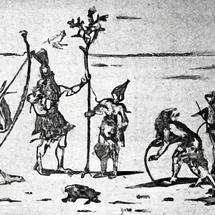
Exercise Prevents Heart Rhythm Disorder
Researchers studying more than 15,000 people report that higher physical fitness is linked to a lower chance of developing atrial fibrillation, an irregular heartbeat that raises the risk of stroke fivefold. The study, presented at the ESC Congress 2023, used treadmill exercise tests to estimate fitness in metabolic equivalents (METs) and followed participants over time to see who developed heart rhythm problems or strokes.

Influential marketing leaders shaping creators
Rolling Stone and Captiv8 published a feature identifying twenty marketing leaders they say are shaping the fast-growing creator economy. The article explains how marketers connect creators, brands, and audiences by promoting branded content and designing experiences that reach large online followings. As entertainment shifts from traditional media to creator-driven platforms, marketers are increasingly responsible for deciding which creators gain visibility and how brand partnerships enter cultural conversations.
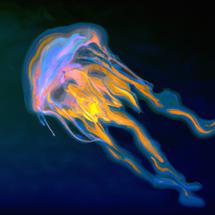
Oldest jellyfish species revealed in fossils
Scientists have identified Burgessomedusa phasmiformis as the oldest known swimming jellyfish, based on fossil specimens recovered from the Burgess Shale in Canada. These animals lived more than 500 million years ago during the Cambrian period. Researchers classify them as medusozoans, the group that includes modern jellyfish, and say the fossils provide direct evidence that jellyfish-like animals had already evolved by that time.

Email from Russia
Garry Kasparov, the Russian-born former world chess champion, has publicly endorsed Anatoly Fomenko’s “New Chronology,” a radical revision of world history. Fomenko’s thesis argues that much of what we call ancient history is misdated or duplicated and that the actual historical timeline is far shorter than commonly believed. Kasparov says he finds the questions it raises important and plans to spend more time promoting these ideas as he moves away from professional chess.