Build a conspiracy theory from scratch.
The best way to learn to spot a conspiracy theory is to make one yourself.
Pick a real news story. On the next step you'll choose who's behind it and why. Then walk through the four moves real conspiracists use, with a debunk on every step.
- Hunt anomalies — turn coincidence into evidence of a secret plot.
- Fabricate connections — draw lines between unrelated dots until they look meaningful.
- Dismiss counter-evidence — if a fact disagrees, make the fact part of the cover-up.
- Discredit the critics — dismiss people who point out flaws in your theory.
Pick the event.
Choose whichever real-feeling headline your imagination will run wildest with. Don't overthink it.
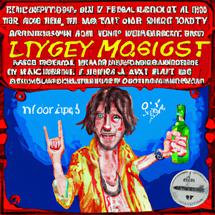
Jagger: Rock legend turned "Instagram Normie
Mick Jagger, the longtime frontman of the Rolling Stones, has been sharing unexpectedly ordinary moments from his tour life on Instagram. Instead of the usual glamorous or staged celebrity photos, his feed shows mundane outings—visits to local attractions, bars, strip malls and well‑known landmarks. He told The Washington Post that these images are less about spectacle and more about getting a feel for places, and he treats the account like a simple visual diary.
Fitbit App Redesigned for Fall
Google plans to release a redesigned Fitbit app this fall that reorganizes the interface into three main tabs: "Today," "Coach," and "You." The refreshed app will display daily health statistics, offer motivational and coaching content, and present goal overviews and trends. Google says the update will improve how fitness data is presented and protected, and it appears visually aligned with leaked looks of the upcoming Pixel Watch 2 and possibly the Pixel 8 phones.
British adults prioritize celebrity knowledge
A recent poll of 2,000 British adults found many people follow celebrity news more closely than the lives of family and friends. Forty-four percent said they cared about trivial celebrity matters, and 80% admitted they knew more about celebrities than their own parents. Nearly half reported knowing more about famous people than about their friends. Sixty-one percent believe the media spends too much time on celebrity coverage.
Mozart's Lullaby soothes pain in newborns
A recent study in New York, conducted between April 2019 and February 2020, tested whether recorded music could reduce pain in newborns during routine heel-prick blood tests. Researchers enrolled 100 infants and randomly assigned about half to listen to Mozart’s Lullaby before and during the procedure while the other infants received standard care without the music. Clinicians measured pain using standard scoring tools at baseline, during the prick, and after the procedure to compare responses.