Build a conspiracy theory from scratch.
The best way to learn to spot a conspiracy theory is to make one yourself.
Pick a real news story. On the next step you'll choose who's behind it and why. Then walk through the four moves real conspiracists use, with a debunk on every step.
- Hunt anomalies — turn coincidence into evidence of a secret plot.
- Fabricate connections — draw lines between unrelated dots until they look meaningful.
- Dismiss counter-evidence — if a fact disagrees, make the fact part of the cover-up.
- Discredit the critics — dismiss people who point out flaws in your theory.
Pick the event.
Choose whichever real-feeling headline your imagination will run wildest with. Don't overthink it.
Fitbit App Redesigned for Fall
Google plans to release a redesigned Fitbit app this fall that reorganizes the interface into three main tabs: "Today," "Coach," and "You." The refreshed app will display daily health statistics, offer motivational and coaching content, and present goal overviews and trends. Google says the update will improve how fitness data is presented and protected, and it appears visually aligned with leaked looks of the upcoming Pixel Watch 2 and possibly the Pixel 8 phones.
Baby Al Capone" orchestrated crypto heist
Ellis Pinsky, who grew up in Irvington, New York, has been linked to a large cryptocurrency theft that investigators say happened when he was 15. Authorities allege he orchestrated the theft of about $23.8 million in digital assets. By May 2020, masked intruders were reportedly trying to access some of the stolen funds, but Pinsky apparently no longer had the money. The case attracted attention because of the amount and the age of the alleged organizer.
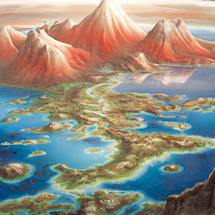
Lost continent discovered
Geoscientists have identified a largely submerged landmass called Zealandia, or Te Riu-a-Māui, that meets the criteria many researchers use for a continent. Covering about 1.89 million square miles (roughly 4.9 million square kilometres), Zealandia is mostly underwater — about 90–95 percent — and includes the visible islands of New Zealand and New Caledonia. Debate about its status grew over decades and many geologists accepted it as a continent in analyses published in recent years.
British adults prioritize celebrity knowledge
A recent poll of 2,000 British adults found many people follow celebrity news more closely than the lives of family and friends. Forty-four percent said they cared about trivial celebrity matters, and 80% admitted they knew more about celebrities than their own parents. Nearly half reported knowing more about famous people than about their friends. Sixty-one percent believe the media spends too much time on celebrity coverage.