Build a conspiracy theory from scratch.
The best way to learn to spot a conspiracy theory is to make one yourself.
Pick a real news story. On the next step you'll choose who's behind it and why. Then walk through the four moves real conspiracists use, with a debunk on every step.
- Hunt anomalies — turn coincidence into evidence of a secret plot.
- Fabricate connections — draw lines between unrelated dots until they look meaningful.
- Dismiss counter-evidence — if a fact disagrees, make the fact part of the cover-up.
- Discredit the critics — dismiss people who point out flaws in your theory.
Pick the event.
Choose whichever real-feeling headline your imagination will run wildest with. Don't overthink it.
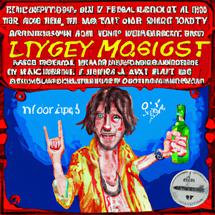
Jagger: Rock legend turned "Instagram Normie
Mick Jagger, the longtime frontman of the Rolling Stones, has been sharing unexpectedly ordinary moments from his tour life on Instagram. Instead of the usual glamorous or staged celebrity photos, his feed shows mundane outings—visits to local attractions, bars, strip malls and well‑known landmarks. He told The Washington Post that these images are less about spectacle and more about getting a feel for places, and he treats the account like a simple visual diary.
AI aids early heart failure detection
Scientists presented results from the OPERA study showing artificial intelligence can analyze heart ultrasound scans in about one minute, compared with roughly 30 minutes for trained human experts. The project, led by the University of Glasgow in partnership with AstraZeneca and NHS trusts including Greater Glasgow & Clyde and the Golden Jubilee, demonstrated the AI’s ability to interpret echocardiograms quickly and consistently during a presentation at the European Society of Cardiology conference in Amsterdam.
British doctor killed in Cape Town
A 40-year-old British doctor touring South Africa was shot and killed in Cape Town after turning into Ntlangano Crescent during violent street protests, authorities said. The incident occurred last Thursday when the general practitioner took a different route after leaving the airport. Multiple unidentified suspects confronted him and opened fire; he did not survive. South African police confirmed the death and said they were investigating the circumstances and seeking the attackers.
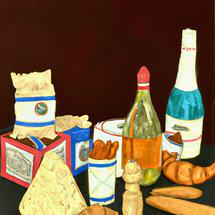
Ultra-processed foods increase health risks
Two new studies presented at the European Society of Cardiology’s annual meeting found links between consuming ultra-processed foods and higher risks of heart disease, including heart attacks and strokes. Ultra-processed foods are widely available consumer items such as fizzy drinks, many breakfast cereals, packaged snacks and ready-made meals. One analysis reported that a 10 percent increase in daily ultra-processed food intake was associated with about a 6 percent rise in risk of cardiovascular disease.