Build a conspiracy theory from scratch.
The best way to learn to spot a conspiracy theory is to make one yourself.
Pick a real news story. On the next step you'll choose who's behind it and why. Then walk through the four moves real conspiracists use, with a debunk on every step.
- Hunt anomalies — turn coincidence into evidence of a secret plot.
- Fabricate connections — draw lines between unrelated dots until they look meaningful.
- Dismiss counter-evidence — if a fact disagrees, make the fact part of the cover-up.
- Discredit the critics — dismiss people who point out flaws in your theory.
Pick the event.
Choose whichever real-feeling headline your imagination will run wildest with. Don't overthink it.
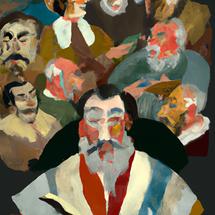
1,300 languages ranked by complexity
Linguists have long thought that social context shapes grammar: communities with many non-native speakers, like trade hubs, were believed to favor simpler, easier-to-learn systems, while isolated, homogenous groups develop dense, specialized grammatical rules. A new study compiled measurements across about 1,300 languages to test whether languages used mainly by “societies of strangers” indeed show reduced grammatical complexity compared with languages used in more stable, insider communities.
Diller transformed architecture with innovation
Elizabeth Diller is a leading architect and founding partner of Diller Scofidio + Renfro, a firm known for projects that blur art, performance, and architecture. Trained at Cooper Union, she moved from visual art into architecture and co-authored the influential book Flesh, which challenged traditional ideas about buildings and spatial experience. Her work—including the High Line, the Blur Building, and The Shed—emphasizes experimentation, collaboration, and attention to how people use public space.
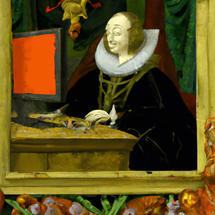
Video games aid paralyzed speech
Researchers at Speech Graphics, UC San Francisco and UC Berkeley report a brain–computer interface that helped a woman who lost speech after a stroke communicate again. Tiny electrodes were placed on the surface of her brain to record neural activity while she attempted to speak. That recorded activity was decoded into written text, a synthetic voice and real-time facial animation using software originally developed for video-game characters such as those in The Last of Us Part II and Hogwarts Legacy.

Accessory has no sleep benefits
Researchers reviewing clinical trials have found little evidence that blue‑light filtering glasses provide the sleep or short‑term eye‑comfort benefits often claimed by makers and some retailers. The review pooled data from 17 randomized trials and reported no consistent short‑term reduction in visual fatigue from computer use, and it could not show clear benefits for sleep quality, vision performance, or long‑term retinal health.