Build a conspiracy theory from scratch.
The best way to learn to spot a conspiracy theory is to make one yourself.
Pick a real news story. On the next step you'll choose who's behind it and why. Then walk through the four moves real conspiracists use, with a debunk on every step.
- Hunt anomalies — turn coincidence into evidence of a secret plot.
- Fabricate connections — draw lines between unrelated dots until they look meaningful.
- Dismiss counter-evidence — if a fact disagrees, make the fact part of the cover-up.
- Discredit the critics — dismiss people who point out flaws in your theory.
Pick the event.
Choose whichever real-feeling headline your imagination will run wildest with. Don't overthink it.
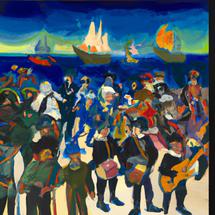
Robots replace talent scouts in music industry crisis
For decades the music industry relied on A&R scouts—talent spotters who traveled to clubs, small venues and local gigs looking for acts with hit potential. In recent years that search has moved online as social media and streaming platforms such as TikTok and Spotify let artists reach large audiences without labels. Record companies now monitor streams, follower growth and viral trends to decide where to invest, changing how new talent is discovered and promoted.
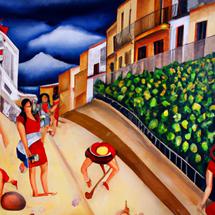
Spanish town's streets turn tomato-red
Spain's annual Tomatina festival draws thousands each year to the town of Buñol, where participants playfully pelt one another with overripe tomatoes. This year about 15,000 people, many tourists, threw roughly 120 tonnes of fruit, turning streets and buildings into red pulp. The event lasts about an hour, and people commonly wear goggles and old clothes; there is a small participation fee of about €12 to help manage the crowd.
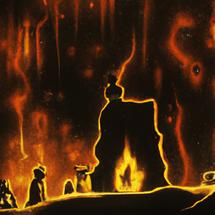
Film's production plagued by misfortune
William Friedkin’s 1977 film Sorcerer is a tense thriller about four desperate men hired to transport highly unstable explosives across dangerous, remote roads. Inspired by Georges Arnaud’s novel and echoing the earlier French film The Wages of Fear, Sorcerer aimed for a raw, realistic tone. Friedkin, fresh from the success of The Exorcist, pushed for authentic locations and intense performances to heighten the film’s unrelenting atmosphere.
Irregular sleep linked to gut bacteria
Researchers at King’s College London have reported links between irregular sleep patterns and changes in the gut microbiome. The study focused on “social jet lag,” where people shift their sleep timing between workdays and free days. Even a 90‑minute difference in the midpoint of sleep was associated with a microbiome profile that other studies have connected to poorer health, and the team also found associations with diet quality, eating habits and inflammation.