Build a conspiracy theory from scratch.
The best way to learn to spot a conspiracy theory is to make one yourself.
Pick a real news story. On the next step you'll choose who's behind it and why. Then walk through the four moves real conspiracists use, with a debunk on every step.
- Hunt anomalies — turn coincidence into evidence of a secret plot.
- Fabricate connections — draw lines between unrelated dots until they look meaningful.
- Dismiss counter-evidence — if a fact disagrees, make the fact part of the cover-up.
- Discredit the critics — dismiss people who point out flaws in your theory.
Pick the event.
Choose whichever real-feeling headline your imagination will run wildest with. Don't overthink it.

Fitbit App Redesigned for Fall
Google plans to release a redesigned Fitbit app this fall that reorganizes the interface into three main tabs: "Today," "Coach," and "You." The refreshed app will display daily health statistics, offer motivational and coaching content, and present goal overviews and trends. Google says the update will improve how fitness data is presented and protected, and it appears visually aligned with leaked looks of the upcoming Pixel Watch 2 and possibly the Pixel 8 phones.

Meta seeks EU consent for ads
Meta, the company that owns Facebook and Instagram, says it will start asking users in the European Union for permission to show personalized advertising. The move follows regulatory rulings that challenged Meta’s data-collection methods for targeted ads. Rather than relying on a “legitimate interest” justification, Meta has conceded it must obtain explicit consent under EU data-protection rules before using people’s personal data to tailor ads on its platforms.
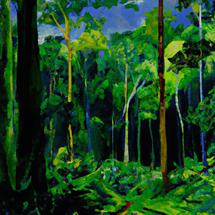
Brazil Amazon deforestation drops 60 percent
Brazil reported a major fall in Amazon deforestation in July: official figures say tree-clearing and burning dropped about 60 percent compared with the same month last year. The government and the environment minister attribute the decline to political changes and new administration policies, based on national monitoring systems. Scientists caution this reflects a single month and that short-term figures can be influenced by seasonal and reporting factors.
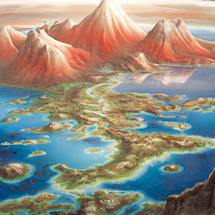
Lost continent discovered
Geoscientists have identified a largely submerged landmass called Zealandia, or Te Riu-a-Māui, that meets the criteria many researchers use for a continent. Covering about 1.89 million square miles (roughly 4.9 million square kilometres), Zealandia is mostly underwater — about 90–95 percent — and includes the visible islands of New Zealand and New Caledonia. Debate about its status grew over decades and many geologists accepted it as a continent in analyses published in recent years.