Build a conspiracy theory from scratch.
The best way to learn to spot a conspiracy theory is to make one yourself.
Pick a real news story. On the next step you'll choose who's behind it and why. Then walk through the four moves real conspiracists use, with a debunk on every step.
- Hunt anomalies — turn coincidence into evidence of a secret plot.
- Fabricate connections — draw lines between unrelated dots until they look meaningful.
- Dismiss counter-evidence — if a fact disagrees, make the fact part of the cover-up.
- Discredit the critics — dismiss people who point out flaws in your theory.
Pick the event.
Choose whichever real-feeling headline your imagination will run wildest with. Don't overthink it.
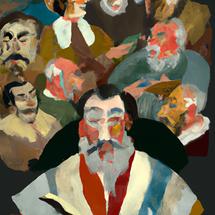
1,300 languages ranked by complexity
Linguists have long thought that social context shapes grammar: communities with many non-native speakers, like trade hubs, were believed to favor simpler, easier-to-learn systems, while isolated, homogenous groups develop dense, specialized grammatical rules. A new study compiled measurements across about 1,300 languages to test whether languages used mainly by “societies of strangers” indeed show reduced grammatical complexity compared with languages used in more stable, insider communities.
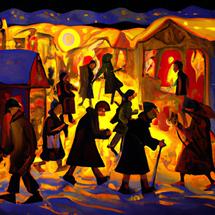
Global Views on American Cultural Influence
A YouGov survey carried out in nine countries across Europe, Australia and Singapore measured public views on American cultural influence. The study found that most people recognize U.S. impact in entertainment: 66% to 89% of respondents said American movies, television and music shape their local culture. Roughly half also reported significant American influence in news media, national political norms, everyday language and consumer brands, showing that perceptions extend beyond entertainment.
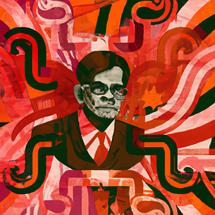
Influential marketing leaders shaping creators
Rolling Stone and Captiv8 published a feature identifying twenty marketing leaders they say are shaping the fast-growing creator economy. The article explains how marketers connect creators, brands, and audiences by promoting branded content and designing experiences that reach large online followings. As entertainment shifts from traditional media to creator-driven platforms, marketers are increasingly responsible for deciding which creators gain visibility and how brand partnerships enter cultural conversations.
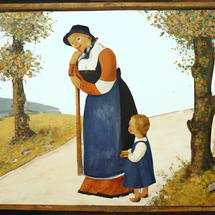
Mozart's Lullaby soothes pain in newborns
A recent study in New York, conducted between April 2019 and February 2020, tested whether recorded music could reduce pain in newborns during routine heel-prick blood tests. Researchers enrolled 100 infants and randomly assigned about half to listen to Mozart’s Lullaby before and during the procedure while the other infants received standard care without the music. Clinicians measured pain using standard scoring tools at baseline, during the prick, and after the procedure to compare responses.