Build a conspiracy theory from scratch.
The best way to learn to spot a conspiracy theory is to make one yourself.
Pick a real news story. On the next step you'll choose who's behind it and why. Then walk through the four moves real conspiracists use, with a debunk on every step.
- Hunt anomalies — turn coincidence into evidence of a secret plot.
- Fabricate connections — draw lines between unrelated dots until they look meaningful.
- Dismiss counter-evidence — if a fact disagrees, make the fact part of the cover-up.
- Discredit the critics — dismiss people who point out flaws in your theory.
Pick the event.
Choose whichever real-feeling headline your imagination will run wildest with. Don't overthink it.

Ultra-processed foods increase health risks
Two new studies presented at the European Society of Cardiology’s annual meeting found links between consuming ultra-processed foods and higher risks of heart disease, including heart attacks and strokes. Ultra-processed foods are widely available consumer items such as fizzy drinks, many breakfast cereals, packaged snacks and ready-made meals. One analysis reported that a 10 percent increase in daily ultra-processed food intake was associated with about a 6 percent rise in risk of cardiovascular disease.

Naps Reflect Young Brain Development
During the 2020 lockdown, researchers at the University of East Anglia studied 463 infants aged about eight months to three years to examine nap habits and learning. They tested vocabulary and other cognitive measures and tracked how often and how long children slept. The study found that some children consolidated information during sleep and therefore napped less often, while others who had smaller vocabularies napped more frequently and for longer periods.
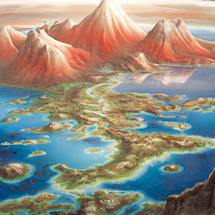
Lost continent discovered
Geoscientists have identified a largely submerged landmass called Zealandia, or Te Riu-a-Māui, that meets the criteria many researchers use for a continent. Covering about 1.89 million square miles (roughly 4.9 million square kilometres), Zealandia is mostly underwater — about 90–95 percent — and includes the visible islands of New Zealand and New Caledonia. Debate about its status grew over decades and many geologists accepted it as a continent in analyses published in recent years.
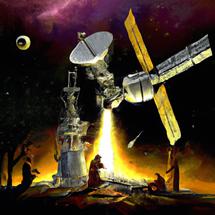
India launching Sun-bound spacecraft.
India’s space agency ISRO plans to launch Aditya-L1, a satellite designed to observe the Sun, on 2 September. The spacecraft will travel to the Sun–Earth Lagrange Point 1, about 1.5 million kilometres from Earth, where it can keep the Sun continuously in view. The mission follows India’s successful Chandrayaan-3 Moon landing and represents a major step in the country’s expanding space programme, aimed at improving understanding of solar activity.