Build a conspiracy theory from scratch.
The best way to learn to spot a conspiracy theory is to make one yourself.
Pick a real news story. On the next step you'll choose who's behind it and why. Then walk through the four moves real conspiracists use, with a debunk on every step.
- Hunt anomalies — turn coincidence into evidence of a secret plot.
- Fabricate connections — draw lines between unrelated dots until they look meaningful.
- Dismiss counter-evidence — if a fact disagrees, make the fact part of the cover-up.
- Discredit the critics — dismiss people who point out flaws in your theory.
Pick the event.
Choose whichever real-feeling headline your imagination will run wildest with. Don't overthink it.
Apple Teaching Siri Lip Reading
Apple has filed a patent application that describes using motion sensing to detect lip and head movements so Siri could recognize commands without relying only on a microphone. The filing, titled "Keyword Detection Using Motion Sensing," explains how analyzing mouth shapes and subtle head motions might identify common phrases, which could help the assistant work better in noisy environments or avoid false activations from background speech.
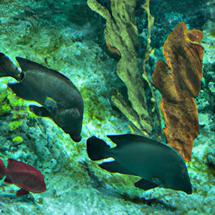
Fish sees with skin posthumously
Researchers report that reef-dwelling hogfish have light-sensitive cells embedded in their skin, allowing the animals to sense brightness and adjust their colour without relying solely on eyes. The study, published in Nature, shows this skin-based photoreception can continue to influence colour change even after death. Hogfish live in Atlantic reefs and can shift hues in milliseconds. Those rapid changes aid camouflage, social signalling and may help with temperature regulation and attracting mates.

Oldest zoo adds endangered bats
Schoenbrunn Zoo in Vienna, widely regarded as the world’s oldest zoological garden, has announced the birth of three endangered megabats. The newborns—large flying foxes—were filmed clinging to and cuddling with their mother and beginning to explore a newly opened rainforest-style enclosure. Zoo staff released video of the youngsters playing and climbing while keepers monitor their health and development as part of routine postnatal care.

Pandemic Hits Women and Youth's Mental Health
A YouGov survey carried out in 27 countries finds the Covid-19 pandemic has had the most severe mental-health effects on young people and on women. Younger respondents consistently reported higher levels of anxiety about their mental health and increased worries about their financial futures, while women were more likely than men to say the pandemic had harmed their wellbeing. The findings summarize self-reported experiences rather than identifying precise causes.