Build a conspiracy theory from scratch.
The best way to learn to spot a conspiracy theory is to make one yourself.
Pick a real news story. On the next step you'll choose who's behind it and why. Then walk through the four moves real conspiracists use, with a debunk on every step.
- Hunt anomalies — turn coincidence into evidence of a secret plot.
- Fabricate connections — draw lines between unrelated dots until they look meaningful.
- Dismiss counter-evidence — if a fact disagrees, make the fact part of the cover-up.
- Discredit the critics — dismiss people who point out flaws in your theory.
Pick the event.
Choose whichever real-feeling headline your imagination will run wildest with. Don't overthink it.

Revive extinct creatures: big debate?
Scientists and conservationists are debating de-extinction, the idea of bringing extinct species back using modern genetic tools. Advances such as PCR, genome sequencing and gene editing have made it technically plausible to reconstruct genomes from preserved DNA. Companies like Colossal Biosciences aim to use these methods to create proxy woolly mammoths by editing Asiatic elephant DNA. Proponents argue such projects could help restore lost ecological functions and biodiversity.

Pandemic Hits Women and Youth's Mental Health
A YouGov survey carried out in 27 countries finds the Covid-19 pandemic has had the most severe mental-health effects on young people and on women. Younger respondents consistently reported higher levels of anxiety about their mental health and increased worries about their financial futures, while women were more likely than men to say the pandemic had harmed their wellbeing. The findings summarize self-reported experiences rather than identifying precise causes.

Pandemic led to varied changes
Research compiled by YouGov shows that the COVID-19 pandemic prompted different changes in daily routines around the world. In some places people slept more—Saudi Arabia, Brazil, China and Turkey reported increases—while Australians and Britons admitted to drinking more and residents of Mexico, Brazil and Spain reported cutting back on alcohol. Exercise rose in countries including China, Saudi Arabia, Mexico and the United States, and various nations reported shifts in diet quality.
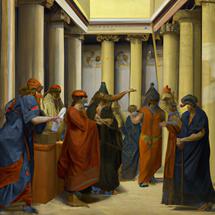
Fixing the British Museum's Anachronism
The British Museum is dealing with a major internal crisis after allegations that a senior curator removed and sold roughly 2,000 items from its collection via eBay. Reports say the revelations prompted the museum director to resign and have led to calls for an independent review. The case has drawn attention to weaknesses in oversight and controls at one of the world’s largest museums, raising questions about how objects are tracked and safeguarded.