Build a conspiracy theory from scratch.
The best way to learn to spot a conspiracy theory is to make one yourself.
Pick a real news story. On the next step you'll choose who's behind it and why. Then walk through the four moves real conspiracists use, with a debunk on every step.
- Hunt anomalies — turn coincidence into evidence of a secret plot.
- Fabricate connections — draw lines between unrelated dots until they look meaningful.
- Dismiss counter-evidence — if a fact disagrees, make the fact part of the cover-up.
- Discredit the critics — dismiss people who point out flaws in your theory.
Pick the event.
Choose whichever real-feeling headline your imagination will run wildest with. Don't overthink it.
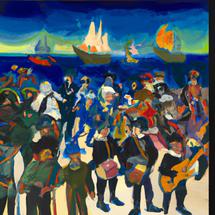
Robots replace talent scouts in music industry crisis
For decades the music industry relied on A&R scouts—talent spotters who traveled to clubs, small venues and local gigs looking for acts with hit potential. In recent years that search has moved online as social media and streaming platforms such as TikTok and Spotify let artists reach large audiences without labels. Record companies now monitor streams, follower growth and viral trends to decide where to invest, changing how new talent is discovered and promoted.
Irregular sleep linked to gut bacteria
Researchers at King’s College London have reported links between irregular sleep patterns and changes in the gut microbiome. The study focused on “social jet lag,” where people shift their sleep timing between workdays and free days. Even a 90‑minute difference in the midpoint of sleep was associated with a microbiome profile that other studies have connected to poorer health, and the team also found associations with diet quality, eating habits and inflammation.
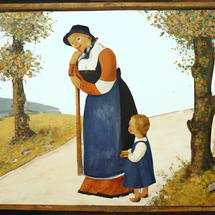
Mozart's Lullaby soothes pain in newborns
A recent study in New York, conducted between April 2019 and February 2020, tested whether recorded music could reduce pain in newborns during routine heel-prick blood tests. Researchers enrolled 100 infants and randomly assigned about half to listen to Mozart’s Lullaby before and during the procedure while the other infants received standard care without the music. Clinicians measured pain using standard scoring tools at baseline, during the prick, and after the procedure to compare responses.
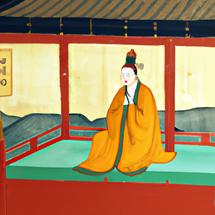
China Urges UK Return Artifacts
China’s state-run Global Times published an editorial urging the British Museum to return Chinese artifacts just ahead of a visit by UK Foreign Secretary James Cleverly. The piece accused the museum of holding items acquired through improper channels and called some pieces “stolen.” The British Museum’s collection includes more than 23,000 Chinese objects, and the editorial named examples such as the painting The Admonitions of the Instructress to the Court Ladies and Liao tri-coloured luohan statues.