Build a conspiracy theory from scratch.
The best way to learn to spot a conspiracy theory is to make one yourself.
Pick a real news story. On the next step you'll choose who's behind it and why. Then walk through the four moves real conspiracists use, with a debunk on every step.
- Hunt anomalies — turn coincidence into evidence of a secret plot.
- Fabricate connections — draw lines between unrelated dots until they look meaningful.
- Dismiss counter-evidence — if a fact disagrees, make the fact part of the cover-up.
- Discredit the critics — dismiss people who point out flaws in your theory.
Pick the event.
Choose whichever real-feeling headline your imagination will run wildest with. Don't overthink it.

Jagger: Rock legend turned "Instagram Normie
Mick Jagger, the longtime frontman of the Rolling Stones, has been sharing unexpectedly ordinary moments from his tour life on Instagram. Instead of the usual glamorous or staged celebrity photos, his feed shows mundane outings—visits to local attractions, bars, strip malls and well‑known landmarks. He told The Washington Post that these images are less about spectacle and more about getting a feel for places, and he treats the account like a simple visual diary.

Defining Western Feminism in 2023
New YouGov research across Western Europe and the United States finds a gap between people’s agreement with gender-equality principles and their willingness to call themselves 'feminists.' Respondents were randomly assigned one of three question formats: the word 'feminist' alone, a definition of feminist principles, or both. When asked the word alone, only 15–48% claimed the label; when given the definition, 74–91% endorsed equal rights, while the combined definition+word question produced 45–77% support.
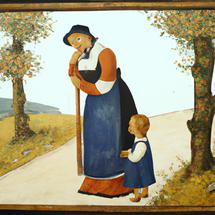
Mozart's Lullaby soothes pain in newborns
A recent study in New York, conducted between April 2019 and February 2020, tested whether recorded music could reduce pain in newborns during routine heel-prick blood tests. Researchers enrolled 100 infants and randomly assigned about half to listen to Mozart’s Lullaby before and during the procedure while the other infants received standard care without the music. Clinicians measured pain using standard scoring tools at baseline, during the prick, and after the procedure to compare responses.
Promote longevity through lifestyle choices
Scientists and doctors point out that many health problems run in families, and the diseases now affecting older baby boomers can offer a warning about what people might face later in life. Advances in DNA sequencing make it possible to find gene variants that raise the chances of heart disease, diabetes and some cancers. Identifying those risks early gives doctors and patients options for monitoring, preventive treatment and tailored medical care.