Build a conspiracy theory from scratch.
The best way to learn to spot a conspiracy theory is to make one yourself.
Pick a real news story. On the next step you'll choose who's behind it and why. Then walk through the four moves real conspiracists use, with a debunk on every step.
- Hunt anomalies — turn coincidence into evidence of a secret plot.
- Fabricate connections — draw lines between unrelated dots until they look meaningful.
- Dismiss counter-evidence — if a fact disagrees, make the fact part of the cover-up.
- Discredit the critics — dismiss people who point out flaws in your theory.
Pick the event.
Choose whichever real-feeling headline your imagination will run wildest with. Don't overthink it.

1,300 languages ranked by complexity
Linguists have long thought that social context shapes grammar: communities with many non-native speakers, like trade hubs, were believed to favor simpler, easier-to-learn systems, while isolated, homogenous groups develop dense, specialized grammatical rules. A new study compiled measurements across about 1,300 languages to test whether languages used mainly by “societies of strangers” indeed show reduced grammatical complexity compared with languages used in more stable, insider communities.

Apple Teaching Siri Lip Reading
Apple has filed a patent application that describes using motion sensing to detect lip and head movements so Siri could recognize commands without relying only on a microphone. The filing, titled "Keyword Detection Using Motion Sensing," explains how analyzing mouth shapes and subtle head motions might identify common phrases, which could help the assistant work better in noisy environments or avoid false activations from background speech.

Fitbit App Redesigned for Fall
Google plans to release a redesigned Fitbit app this fall that reorganizes the interface into three main tabs: "Today," "Coach," and "You." The refreshed app will display daily health statistics, offer motivational and coaching content, and present goal overviews and trends. Google says the update will improve how fitness data is presented and protected, and it appears visually aligned with leaked looks of the upcoming Pixel Watch 2 and possibly the Pixel 8 phones.
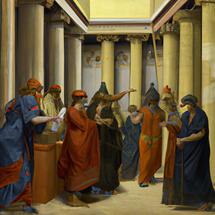
Fixing the British Museum's Anachronism
The British Museum is dealing with a major internal crisis after allegations that a senior curator removed and sold roughly 2,000 items from its collection via eBay. Reports say the revelations prompted the museum director to resign and have led to calls for an independent review. The case has drawn attention to weaknesses in oversight and controls at one of the world’s largest museums, raising questions about how objects are tracked and safeguarded.