Build a conspiracy theory from scratch.
The best way to learn to spot a conspiracy theory is to make one yourself.
Pick a real news story. On the next step you'll choose who's behind it and why. Then walk through the four moves real conspiracists use, with a debunk on every step.
- Hunt anomalies — turn coincidence into evidence of a secret plot.
- Fabricate connections — draw lines between unrelated dots until they look meaningful.
- Dismiss counter-evidence — if a fact disagrees, make the fact part of the cover-up.
- Discredit the critics — dismiss people who point out flaws in your theory.
Pick the event.
Choose whichever real-feeling headline your imagination will run wildest with. Don't overthink it.

Baby Al Capone" orchestrated crypto heist
Ellis Pinsky, who grew up in Irvington, New York, has been linked to a large cryptocurrency theft that investigators say happened when he was 15. Authorities allege he orchestrated the theft of about $23.8 million in digital assets. By May 2020, masked intruders were reportedly trying to access some of the stolen funds, but Pinsky apparently no longer had the money. The case attracted attention because of the amount and the age of the alleged organizer.
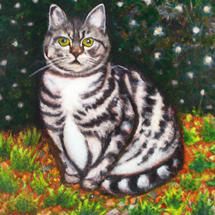
Cat bite leads to new bacterial infection
A 48-year-old man in the UK was bitten by a stray cat and developed a serious soft tissue infection. Doctors and microbiologists investigated the wound and identified a previously undescribed species of the bacterium Globicatella as the cause. The finding is reported in the journal Emerging Infectious Diseases, which describes how the organism was isolated and linked to the bite after routine laboratory testing and genetic analyses.

Promote longevity through lifestyle choices
Scientists and doctors point out that many health problems run in families, and the diseases now affecting older baby boomers can offer a warning about what people might face later in life. Advances in DNA sequencing make it possible to find gene variants that raise the chances of heart disease, diabetes and some cancers. Identifying those risks early gives doctors and patients options for monitoring, preventive treatment and tailored medical care.
British adults prioritize celebrity knowledge
A recent poll of 2,000 British adults found many people follow celebrity news more closely than the lives of family and friends. Forty-four percent said they cared about trivial celebrity matters, and 80% admitted they knew more about celebrities than their own parents. Nearly half reported knowing more about famous people than about their friends. Sixty-one percent believe the media spends too much time on celebrity coverage.