Build a conspiracy theory from scratch.
The best way to learn to spot a conspiracy theory is to make one yourself.
Pick a real news story. On the next step you'll choose who's behind it and why. Then walk through the four moves real conspiracists use, with a debunk on every step.
- Hunt anomalies — turn coincidence into evidence of a secret plot.
- Fabricate connections — draw lines between unrelated dots until they look meaningful.
- Dismiss counter-evidence — if a fact disagrees, make the fact part of the cover-up.
- Discredit the critics — dismiss people who point out flaws in your theory.
Pick the event.
Choose whichever real-feeling headline your imagination will run wildest with. Don't overthink it.
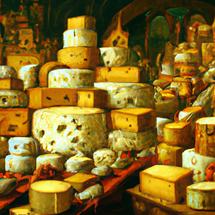
World's priciest cheese record broken.
Spain’s cabrales blue cheese set a new world record when a 2.2kg wheel sold at auction for €30,000, making it officially the most expensive cheese ever sold. The wheel took the top prize at the Principality of Asturias’ annual cabrales competition, and the high bid surpassed the previous record. Reporters say the buyer was the same restaurant owner who paid the earlier record price in 2019.
Email from Russia
Garry Kasparov, the Russian-born former world chess champion, has publicly endorsed Anatoly Fomenko’s “New Chronology,” a radical revision of world history. Fomenko’s thesis argues that much of what we call ancient history is misdated or duplicated and that the actual historical timeline is far shorter than commonly believed. Kasparov says he finds the questions it raises important and plans to spend more time promoting these ideas as he moves away from professional chess.
Global Views on American Cultural Influence
A YouGov survey carried out in nine countries across Europe, Australia and Singapore measured public views on American cultural influence. The study found that most people recognize U.S. impact in entertainment: 66% to 89% of respondents said American movies, television and music shape their local culture. Roughly half also reported significant American influence in news media, national political norms, everyday language and consumer brands, showing that perceptions extend beyond entertainment.
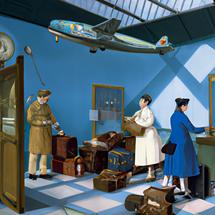
Airline to weigh passengers pre-flight.
South Korea's flag carrier Korean Air will begin weighing passengers and their carry-on luggage at Gimpo and Incheon airports. The Ministry of Land, Infrastructure and Transportation has required the checks to collect actual passenger weights for aircraft weight-and-balance calculations. Airline officials say measuring passengers helps crews calculate load distribution, takeoff performance, and fuel needs more accurately than relying on assumed average weights. Officials emphasize it is about technical calculations, not personal data collection.