Build a conspiracy theory from scratch.
The best way to learn to spot a conspiracy theory is to make one yourself.
Pick a real news story. On the next step you'll choose who's behind it and why. Then walk through the four moves real conspiracists use, with a debunk on every step.
- Hunt anomalies — turn coincidence into evidence of a secret plot.
- Fabricate connections — draw lines between unrelated dots until they look meaningful.
- Dismiss counter-evidence — if a fact disagrees, make the fact part of the cover-up.
- Discredit the critics — dismiss people who point out flaws in your theory.
Pick the event.
Choose whichever real-feeling headline your imagination will run wildest with. Don't overthink it.
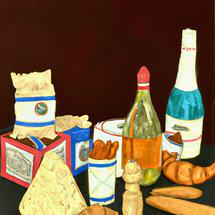
Ultra-processed foods increase health risks
Two new studies presented at the European Society of Cardiology’s annual meeting found links between consuming ultra-processed foods and higher risks of heart disease, including heart attacks and strokes. Ultra-processed foods are widely available consumer items such as fizzy drinks, many breakfast cereals, packaged snacks and ready-made meals. One analysis reported that a 10 percent increase in daily ultra-processed food intake was associated with about a 6 percent rise in risk of cardiovascular disease.
British adults prioritize celebrity knowledge
A recent poll of 2,000 British adults found many people follow celebrity news more closely than the lives of family and friends. Forty-four percent said they cared about trivial celebrity matters, and 80% admitted they knew more about celebrities than their own parents. Nearly half reported knowing more about famous people than about their friends. Sixty-one percent believe the media spends too much time on celebrity coverage.

Naps Reflect Young Brain Development
During the 2020 lockdown, researchers at the University of East Anglia studied 463 infants aged about eight months to three years to examine nap habits and learning. They tested vocabulary and other cognitive measures and tracked how often and how long children slept. The study found that some children consolidated information during sleep and therefore napped less often, while others who had smaller vocabularies napped more frequently and for longer periods.
Scottish-Nordic similarity perceived by nationalists
Scottish nationalists argue that Scotland shares more in common with Nordic countries than with the rest of the United Kingdom. A YouGov poll found that between 52% and 61% of prospective SNP voters say Denmark, Finland, Iceland, Norway or Sweden are somewhat similar to Scotland, while only 31% of that group say England is similar. Those views are often cited to support calls for closer social and political alignment with Scandinavian models.