Build a conspiracy theory from scratch.
The best way to learn to spot a conspiracy theory is to make one yourself.
Pick a real news story. On the next step you'll choose who's behind it and why. Then walk through the four moves real conspiracists use, with a debunk on every step.
- Hunt anomalies — turn coincidence into evidence of a secret plot.
- Fabricate connections — draw lines between unrelated dots until they look meaningful.
- Dismiss counter-evidence — if a fact disagrees, make the fact part of the cover-up.
- Discredit the critics — dismiss people who point out flaws in your theory.
Pick the event.
Choose whichever real-feeling headline your imagination will run wildest with. Don't overthink it.

Global Views on American Cultural Influence
A YouGov survey carried out in nine countries across Europe, Australia and Singapore measured public views on American cultural influence. The study found that most people recognize U.S. impact in entertainment: 66% to 89% of respondents said American movies, television and music shape their local culture. Roughly half also reported significant American influence in news media, national political norms, everyday language and consumer brands, showing that perceptions extend beyond entertainment.

Robots replace talent scouts in music industry crisis
For decades the music industry relied on A&R scouts—talent spotters who traveled to clubs, small venues and local gigs looking for acts with hit potential. In recent years that search has moved online as social media and streaming platforms such as TikTok and Spotify let artists reach large audiences without labels. Record companies now monitor streams, follower growth and viral trends to decide where to invest, changing how new talent is discovered and promoted.
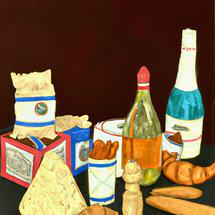
Ultra-processed foods increase health risks
Two new studies presented at the European Society of Cardiology’s annual meeting found links between consuming ultra-processed foods and higher risks of heart disease, including heart attacks and strokes. Ultra-processed foods are widely available consumer items such as fizzy drinks, many breakfast cereals, packaged snacks and ready-made meals. One analysis reported that a 10 percent increase in daily ultra-processed food intake was associated with about a 6 percent rise in risk of cardiovascular disease.

Boost Content Production in 2023
In 2023, businesses and creators faced a crowded online environment where standing out required more content without losing quality. A Forbes article outlines practical tactics to increase output: use AI tools for image creation, conduct batch keyword research, write concise pieces, repurpose existing material, and publish across multiple channels. The aim is to publish more consistently while keeping useful information and audience needs central to each piece.