Build a conspiracy theory from scratch.
The best way to learn to spot a conspiracy theory is to make one yourself.
Pick a real news story. On the next step you'll choose who's behind it and why. Then walk through the four moves real conspiracists use, with a debunk on every step.
- Hunt anomalies — turn coincidence into evidence of a secret plot.
- Fabricate connections — draw lines between unrelated dots until they look meaningful.
- Dismiss counter-evidence — if a fact disagrees, make the fact part of the cover-up.
- Discredit the critics — dismiss people who point out flaws in your theory.
Pick the event.
Choose whichever real-feeling headline your imagination will run wildest with. Don't overthink it.
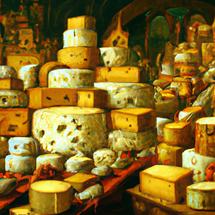
World's priciest cheese record broken.
Spain’s cabrales blue cheese set a new world record when a 2.2kg wheel sold at auction for €30,000, making it officially the most expensive cheese ever sold. The wheel took the top prize at the Principality of Asturias’ annual cabrales competition, and the high bid surpassed the previous record. Reporters say the buyer was the same restaurant owner who paid the earlier record price in 2019.

China Urges UK Return Artifacts
China’s state-run Global Times published an editorial urging the British Museum to return Chinese artifacts just ahead of a visit by UK Foreign Secretary James Cleverly. The piece accused the museum of holding items acquired through improper channels and called some pieces “stolen.” The British Museum’s collection includes more than 23,000 Chinese objects, and the editorial named examples such as the painting The Admonitions of the Instructress to the Court Ladies and Liao tri-coloured luohan statues.

British doctor killed in Cape Town
A 40-year-old British doctor touring South Africa was shot and killed in Cape Town after turning into Ntlangano Crescent during violent street protests, authorities said. The incident occurred last Thursday when the general practitioner took a different route after leaving the airport. Multiple unidentified suspects confronted him and opened fire; he did not survive. South African police confirmed the death and said they were investigating the circumstances and seeking the attackers.

Pandemic Hits Women and Youth's Mental Health
A YouGov survey carried out in 27 countries finds the Covid-19 pandemic has had the most severe mental-health effects on young people and on women. Younger respondents consistently reported higher levels of anxiety about their mental health and increased worries about their financial futures, while women were more likely than men to say the pandemic had harmed their wellbeing. The findings summarize self-reported experiences rather than identifying precise causes.