Build a conspiracy theory from scratch.
The best way to learn to spot a conspiracy theory is to make one yourself.
Pick a real news story. On the next step you'll choose who's behind it and why. Then walk through the four moves real conspiracists use, with a debunk on every step.
- Hunt anomalies — turn coincidence into evidence of a secret plot.
- Fabricate connections — draw lines between unrelated dots until they look meaningful.
- Dismiss counter-evidence — if a fact disagrees, make the fact part of the cover-up.
- Discredit the critics — dismiss people who point out flaws in your theory.
Pick the event.
Choose whichever real-feeling headline your imagination will run wildest with. Don't overthink it.
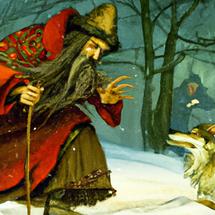
Mastering Humor: Timing, Delivery, Connection
Comedy writers and performers say telling a good joke is harder than it looks: timing and delivery can make or break a punchline. Jokes work by surprising the listener with an unexpected twist, clever wordplay, or absurd imagery that creates a vivid mental picture. Short, sharp jokes often land best because they set up an idea quickly and then flip it — for example, an Edinburgh Fringe-winning pun: "I started dating a zookeeper, but it turned out he was a cheetah."
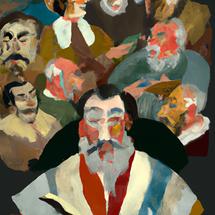
1,300 languages ranked by complexity
Linguists have long thought that social context shapes grammar: communities with many non-native speakers, like trade hubs, were believed to favor simpler, easier-to-learn systems, while isolated, homogenous groups develop dense, specialized grammatical rules. A new study compiled measurements across about 1,300 languages to test whether languages used mainly by “societies of strangers” indeed show reduced grammatical complexity compared with languages used in more stable, insider communities.
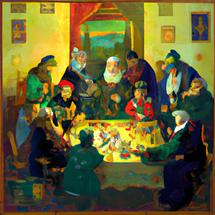
Email from Russia
Garry Kasparov, the Russian-born former world chess champion, has publicly endorsed Anatoly Fomenko’s “New Chronology,” a radical revision of world history. Fomenko’s thesis argues that much of what we call ancient history is misdated or duplicated and that the actual historical timeline is far shorter than commonly believed. Kasparov says he finds the questions it raises important and plans to spend more time promoting these ideas as he moves away from professional chess.
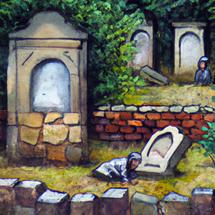
17th-century vampire child found in Poland
Archaeologists in Poland have uncovered the skeleton of a child from the 17th century in a graveyard near Dąbrowa Chełmińska. The body was interred face down, and a small triangular padlock was placed beneath the foot bones. Researchers interpret the unusual position and the lock as deliberate measures connected to local burial customs intended to prevent the deceased from returning to harm the living.