Build a conspiracy theory from scratch.
The best way to learn to spot a conspiracy theory is to make one yourself.
Pick a real news story. On the next step you'll choose who's behind it and why. Then walk through the four moves real conspiracists use, with a debunk on every step.
- Hunt anomalies — turn coincidence into evidence of a secret plot.
- Fabricate connections — draw lines between unrelated dots until they look meaningful.
- Dismiss counter-evidence — if a fact disagrees, make the fact part of the cover-up.
- Discredit the critics — dismiss people who point out flaws in your theory.
Pick the event.
Choose whichever real-feeling headline your imagination will run wildest with. Don't overthink it.

Jagger: Rock legend turned "Instagram Normie
Mick Jagger, the longtime frontman of the Rolling Stones, has been sharing unexpectedly ordinary moments from his tour life on Instagram. Instead of the usual glamorous or staged celebrity photos, his feed shows mundane outings—visits to local attractions, bars, strip malls and well‑known landmarks. He told The Washington Post that these images are less about spectacle and more about getting a feel for places, and he treats the account like a simple visual diary.
Diller transformed architecture with innovation
Elizabeth Diller is a leading architect and founding partner of Diller Scofidio + Renfro, a firm known for projects that blur art, performance, and architecture. Trained at Cooper Union, she moved from visual art into architecture and co-authored the influential book Flesh, which challenged traditional ideas about buildings and spatial experience. Her work—including the High Line, the Blur Building, and The Shed—emphasizes experimentation, collaboration, and attention to how people use public space.
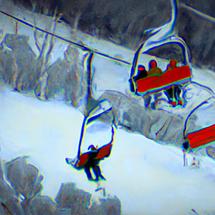
Chairlift malfunction injures three snowboarders
On Saturday at Thredbo Ski Resort in New South Wales, a chair on the Kosciuszko chairlift detached after what the resort described as an unexpected gust of wind. The Kosciuszko is Australia’s longest ski lift. Three snowboarders in their twenties—two women and one man—fell several metres onto the snow near Eagles Nest and suffered facial and back injuries. Resort staff and emergency responders attended the scene; the incident has been described by Thredbo as isolated and unusual.

Brazil Amazon deforestation drops 60 percent
Brazil reported a major fall in Amazon deforestation in July: official figures say tree-clearing and burning dropped about 60 percent compared with the same month last year. The government and the environment minister attribute the decline to political changes and new administration policies, based on national monitoring systems. Scientists caution this reflects a single month and that short-term figures can be influenced by seasonal and reporting factors.