Build a conspiracy theory from scratch.
The best way to learn to spot a conspiracy theory is to make one yourself.
Pick a real news story. On the next step you'll choose who's behind it and why. Then walk through the four moves real conspiracists use, with a debunk on every step.
- Hunt anomalies — turn coincidence into evidence of a secret plot.
- Fabricate connections — draw lines between unrelated dots until they look meaningful.
- Dismiss counter-evidence — if a fact disagrees, make the fact part of the cover-up.
- Discredit the critics — dismiss people who point out flaws in your theory.
Pick the event.
Choose whichever real-feeling headline your imagination will run wildest with. Don't overthink it.
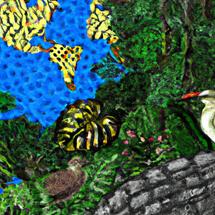
Wealthy Nations Urged to Contribute
A new international nature fund set up under the Global Environment Facility aims to help developing countries meet the biodiversity targets agreed at the COP15 summit in Montreal. The fund’s creation was one of the most-contentious issues at those talks, prompting walkouts and repeated negotiations between wealthy and poorer nations. So far, only Canada and the United Kingdom have pledged money, leaving roughly $40 million still needed to capitalise the fund ahead of COP16 next year.
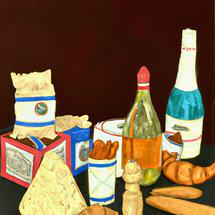
Ultra-processed foods increase health risks
Two new studies presented at the European Society of Cardiology’s annual meeting found links between consuming ultra-processed foods and higher risks of heart disease, including heart attacks and strokes. Ultra-processed foods are widely available consumer items such as fizzy drinks, many breakfast cereals, packaged snacks and ready-made meals. One analysis reported that a 10 percent increase in daily ultra-processed food intake was associated with about a 6 percent rise in risk of cardiovascular disease.
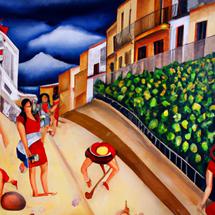
Spanish town's streets turn tomato-red
Spain's annual Tomatina festival draws thousands each year to the town of Buñol, where participants playfully pelt one another with overripe tomatoes. This year about 15,000 people, many tourists, threw roughly 120 tonnes of fruit, turning streets and buildings into red pulp. The event lasts about an hour, and people commonly wear goggles and old clothes; there is a small participation fee of about €12 to help manage the crowd.
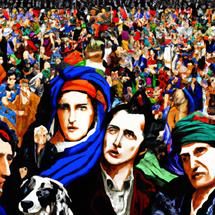
West's Voters Divided by Identity
A recent YouGov–Cambridge Globalism Project survey finds that voters in Western democracies are more divided by identity and partisan loyalty than by specific policy positions. Researchers describe strong "affective polarization": people feel intense dislike for opposing groups even when those groups often share similar views on key debates such as sexism, racism, and economic policy. The findings challenge the idea that culture wars are mainly about conflicting opinions; instead, much conflict appears driven by who people see as "us" versus "them."