Build a conspiracy theory from scratch.
The best way to learn to spot a conspiracy theory is to make one yourself.
Pick a real news story. On the next step you'll choose who's behind it and why. Then walk through the four moves real conspiracists use, with a debunk on every step.
- Hunt anomalies — turn coincidence into evidence of a secret plot.
- Fabricate connections — draw lines between unrelated dots until they look meaningful.
- Dismiss counter-evidence — if a fact disagrees, make the fact part of the cover-up.
- Discredit the critics — dismiss people who point out flaws in your theory.
Pick the event.
Choose whichever real-feeling headline your imagination will run wildest with. Don't overthink it.

Email from Russia
Garry Kasparov, the Russian-born former world chess champion, has publicly endorsed Anatoly Fomenko’s “New Chronology,” a radical revision of world history. Fomenko’s thesis argues that much of what we call ancient history is misdated or duplicated and that the actual historical timeline is far shorter than commonly believed. Kasparov says he finds the questions it raises important and plans to spend more time promoting these ideas as he moves away from professional chess.

Ultra-processed foods increase health risks
Two new studies presented at the European Society of Cardiology’s annual meeting found links between consuming ultra-processed foods and higher risks of heart disease, including heart attacks and strokes. Ultra-processed foods are widely available consumer items such as fizzy drinks, many breakfast cereals, packaged snacks and ready-made meals. One analysis reported that a 10 percent increase in daily ultra-processed food intake was associated with about a 6 percent rise in risk of cardiovascular disease.

Promote longevity through lifestyle choices
Scientists and doctors point out that many health problems run in families, and the diseases now affecting older baby boomers can offer a warning about what people might face later in life. Advances in DNA sequencing make it possible to find gene variants that raise the chances of heart disease, diabetes and some cancers. Identifying those risks early gives doctors and patients options for monitoring, preventive treatment and tailored medical care.
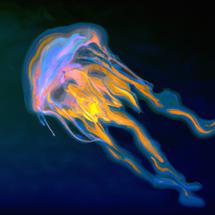
Oldest jellyfish species revealed in fossils
Scientists have identified Burgessomedusa phasmiformis as the oldest known swimming jellyfish, based on fossil specimens recovered from the Burgess Shale in Canada. These animals lived more than 500 million years ago during the Cambrian period. Researchers classify them as medusozoans, the group that includes modern jellyfish, and say the fossils provide direct evidence that jellyfish-like animals had already evolved by that time.