Build a conspiracy theory from scratch.
The best way to learn to spot a conspiracy theory is to make one yourself.
Pick a real news story. On the next step you'll choose who's behind it and why. Then walk through the four moves real conspiracists use, with a debunk on every step.
- Hunt anomalies — turn coincidence into evidence of a secret plot.
- Fabricate connections — draw lines between unrelated dots until they look meaningful.
- Dismiss counter-evidence — if a fact disagrees, make the fact part of the cover-up.
- Discredit the critics — dismiss people who point out flaws in your theory.
Pick the event.
Choose whichever real-feeling headline your imagination will run wildest with. Don't overthink it.
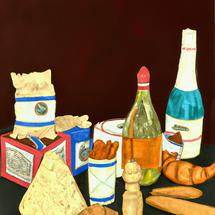
Ultra-processed foods increase health risks
Two new studies presented at the European Society of Cardiology’s annual meeting found links between consuming ultra-processed foods and higher risks of heart disease, including heart attacks and strokes. Ultra-processed foods are widely available consumer items such as fizzy drinks, many breakfast cereals, packaged snacks and ready-made meals. One analysis reported that a 10 percent increase in daily ultra-processed food intake was associated with about a 6 percent rise in risk of cardiovascular disease.

More work on domestic women's rights
A YouGov–Cambridge Globalism Project survey asked people in many Western countries whether more should be done to improve women’s rights at home. In several nations a clear majority or near-majority said yes. Italians topped the list at 62%, followed by Spaniards at 60%, Hungarians at 57% and Swedes at 56%. Other countries where roughly half of respondents expressed concern included Poland, France, Canada, Australia and Greece.
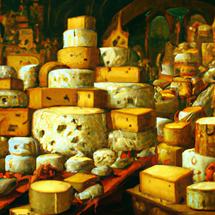
World's priciest cheese record broken.
Spain’s cabrales blue cheese set a new world record when a 2.2kg wheel sold at auction for €30,000, making it officially the most expensive cheese ever sold. The wheel took the top prize at the Principality of Asturias’ annual cabrales competition, and the high bid surpassed the previous record. Reporters say the buyer was the same restaurant owner who paid the earlier record price in 2019.
West's Voters Divided by Identity
A recent YouGov–Cambridge Globalism Project survey finds that voters in Western democracies are more divided by identity and partisan loyalty than by specific policy positions. Researchers describe strong "affective polarization": people feel intense dislike for opposing groups even when those groups often share similar views on key debates such as sexism, racism, and economic policy. The findings challenge the idea that culture wars are mainly about conflicting opinions; instead, much conflict appears driven by who people see as "us" versus "them."