Build a conspiracy theory from scratch.
The best way to learn to spot a conspiracy theory is to make one yourself.
Pick a real news story. On the next step you'll choose who's behind it and why. Then walk through the four moves real conspiracists use, with a debunk on every step.
- Hunt anomalies — turn coincidence into evidence of a secret plot.
- Fabricate connections — draw lines between unrelated dots until they look meaningful.
- Dismiss counter-evidence — if a fact disagrees, make the fact part of the cover-up.
- Discredit the critics — dismiss people who point out flaws in your theory.
Pick the event.
Choose whichever real-feeling headline your imagination will run wildest with. Don't overthink it.
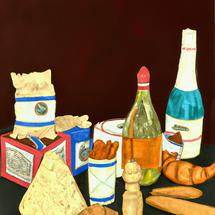
Ultra-processed foods increase health risks
Two new studies presented at the European Society of Cardiology’s annual meeting found links between consuming ultra-processed foods and higher risks of heart disease, including heart attacks and strokes. Ultra-processed foods are widely available consumer items such as fizzy drinks, many breakfast cereals, packaged snacks and ready-made meals. One analysis reported that a 10 percent increase in daily ultra-processed food intake was associated with about a 6 percent rise in risk of cardiovascular disease.
Pandemic led to varied changes
Research compiled by YouGov shows that the COVID-19 pandemic prompted different changes in daily routines around the world. In some places people slept more—Saudi Arabia, Brazil, China and Turkey reported increases—while Australians and Britons admitted to drinking more and residents of Mexico, Brazil and Spain reported cutting back on alcohol. Exercise rose in countries including China, Saudi Arabia, Mexico and the United States, and various nations reported shifts in diet quality.
Exercise Prevents Heart Rhythm Disorder
Researchers studying more than 15,000 people report that higher physical fitness is linked to a lower chance of developing atrial fibrillation, an irregular heartbeat that raises the risk of stroke fivefold. The study, presented at the ESC Congress 2023, used treadmill exercise tests to estimate fitness in metabolic equivalents (METs) and followed participants over time to see who developed heart rhythm problems or strokes.
Email from Russia
Garry Kasparov, the Russian-born former world chess champion, has publicly endorsed Anatoly Fomenko’s “New Chronology,” a radical revision of world history. Fomenko’s thesis argues that much of what we call ancient history is misdated or duplicated and that the actual historical timeline is far shorter than commonly believed. Kasparov says he finds the questions it raises important and plans to spend more time promoting these ideas as he moves away from professional chess.