Build a conspiracy theory from scratch.
The best way to learn to spot a conspiracy theory is to make one yourself.
Pick a real news story. On the next step you'll choose who's behind it and why. Then walk through the four moves real conspiracists use, with a debunk on every step.
- Hunt anomalies — turn coincidence into evidence of a secret plot.
- Fabricate connections — draw lines between unrelated dots until they look meaningful.
- Dismiss counter-evidence — if a fact disagrees, make the fact part of the cover-up.
- Discredit the critics — dismiss people who point out flaws in your theory.
Pick the event.
Choose whichever real-feeling headline your imagination will run wildest with. Don't overthink it.

Baby Al Capone" orchestrated crypto heist
Ellis Pinsky, who grew up in Irvington, New York, has been linked to a large cryptocurrency theft that investigators say happened when he was 15. Authorities allege he orchestrated the theft of about $23.8 million in digital assets. By May 2020, masked intruders were reportedly trying to access some of the stolen funds, but Pinsky apparently no longer had the money. The case attracted attention because of the amount and the age of the alleged organizer.

Robots replace talent scouts in music industry crisis
For decades the music industry relied on A&R scouts—talent spotters who traveled to clubs, small venues and local gigs looking for acts with hit potential. In recent years that search has moved online as social media and streaming platforms such as TikTok and Spotify let artists reach large audiences without labels. Record companies now monitor streams, follower growth and viral trends to decide where to invest, changing how new talent is discovered and promoted.

Fixing the British Museum's Anachronism
The British Museum is dealing with a major internal crisis after allegations that a senior curator removed and sold roughly 2,000 items from its collection via eBay. Reports say the revelations prompted the museum director to resign and have led to calls for an independent review. The case has drawn attention to weaknesses in oversight and controls at one of the world’s largest museums, raising questions about how objects are tracked and safeguarded.
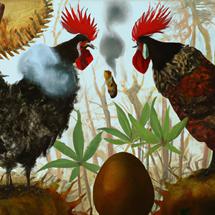
Cooking's chemical reaction aided life's origin
The Maillard reaction is the chemical process that browns food and creates complex flavors when we cook. New research led by Professor Caroline Peacock at the University of Leeds reports that a similar reaction can occur in the deep ocean. There, it converts small organic carbon molecules into larger, stable polymers. The study, published in Nature, estimates this process locks away roughly four million tonnes of organic carbon each year.