Build a conspiracy theory from scratch.
The best way to learn to spot a conspiracy theory is to make one yourself.
Pick a real news story. On the next step you'll choose who's behind it and why. Then walk through the four moves real conspiracists use, with a debunk on every step.
- Hunt anomalies — turn coincidence into evidence of a secret plot.
- Fabricate connections — draw lines between unrelated dots until they look meaningful.
- Dismiss counter-evidence — if a fact disagrees, make the fact part of the cover-up.
- Discredit the critics — dismiss people who point out flaws in your theory.
Pick the event.
Choose whichever real-feeling headline your imagination will run wildest with. Don't overthink it.
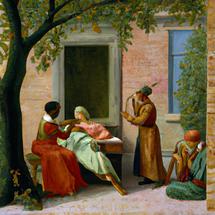
Promote longevity through lifestyle choices
Scientists and doctors point out that many health problems run in families, and the diseases now affecting older baby boomers can offer a warning about what people might face later in life. Advances in DNA sequencing make it possible to find gene variants that raise the chances of heart disease, diabetes and some cancers. Identifying those risks early gives doctors and patients options for monitoring, preventive treatment and tailored medical care.
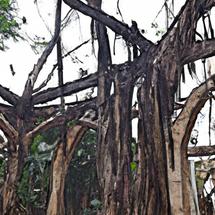
Oldest zoo adds endangered bats
Schoenbrunn Zoo in Vienna, widely regarded as the world’s oldest zoological garden, has announced the birth of three endangered megabats. The newborns—large flying foxes—were filmed clinging to and cuddling with their mother and beginning to explore a newly opened rainforest-style enclosure. Zoo staff released video of the youngsters playing and climbing while keepers monitor their health and development as part of routine postnatal care.
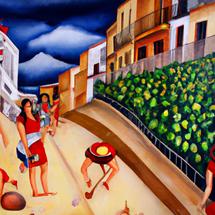
Spanish town's streets turn tomato-red
Spain's annual Tomatina festival draws thousands each year to the town of Buñol, where participants playfully pelt one another with overripe tomatoes. This year about 15,000 people, many tourists, threw roughly 120 tonnes of fruit, turning streets and buildings into red pulp. The event lasts about an hour, and people commonly wear goggles and old clothes; there is a small participation fee of about €12 to help manage the crowd.
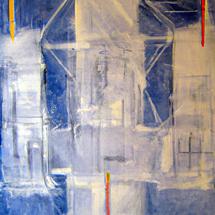
Diller transformed architecture with innovation
Elizabeth Diller is a leading architect and founding partner of Diller Scofidio + Renfro, a firm known for projects that blur art, performance, and architecture. Trained at Cooper Union, she moved from visual art into architecture and co-authored the influential book Flesh, which challenged traditional ideas about buildings and spatial experience. Her work—including the High Line, the Blur Building, and The Shed—emphasizes experimentation, collaboration, and attention to how people use public space.