Build a conspiracy theory from scratch.
The best way to learn to spot a conspiracy theory is to make one yourself.
Pick a real news story. On the next step you'll choose who's behind it and why. Then walk through the four moves real conspiracists use, with a debunk on every step.
- Hunt anomalies — turn coincidence into evidence of a secret plot.
- Fabricate connections — draw lines between unrelated dots until they look meaningful.
- Dismiss counter-evidence — if a fact disagrees, make the fact part of the cover-up.
- Discredit the critics — dismiss people who point out flaws in your theory.
Pick the event.
Choose whichever real-feeling headline your imagination will run wildest with. Don't overthink it.
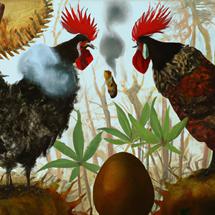
Cooking's chemical reaction aided life's origin
The Maillard reaction is the chemical process that browns food and creates complex flavors when we cook. New research led by Professor Caroline Peacock at the University of Leeds reports that a similar reaction can occur in the deep ocean. There, it converts small organic carbon molecules into larger, stable polymers. The study, published in Nature, estimates this process locks away roughly four million tonnes of organic carbon each year.
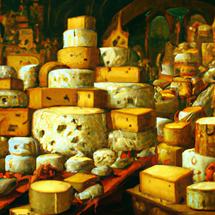
World's priciest cheese record broken.
Spain’s cabrales blue cheese set a new world record when a 2.2kg wheel sold at auction for €30,000, making it officially the most expensive cheese ever sold. The wheel took the top prize at the Principality of Asturias’ annual cabrales competition, and the high bid surpassed the previous record. Reporters say the buyer was the same restaurant owner who paid the earlier record price in 2019.
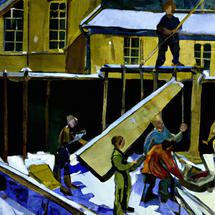
US campus unearths 142-year-old observatory
Workers installing hammock poles on Michigan State University's campus in August 2023 unexpectedly unearthed the buried stone foundation of an old observatory. Built in 1881 and demolished in the 1920s, the small structure had been covered over for decades. Archaeologists and university staff identified the masonry as part of that 19th-century building, making it a notable historical find on a modern college lawn.
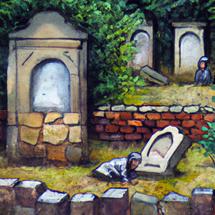
17th-century vampire child found in Poland
Archaeologists in Poland have uncovered the skeleton of a child from the 17th century in a graveyard near Dąbrowa Chełmińska. The body was interred face down, and a small triangular padlock was placed beneath the foot bones. Researchers interpret the unusual position and the lock as deliberate measures connected to local burial customs intended to prevent the deceased from returning to harm the living.