Build a conspiracy theory from scratch.
The best way to learn to spot a conspiracy theory is to make one yourself.
Pick a real news story. On the next step you'll choose who's behind it and why. Then walk through the four moves real conspiracists use, with a debunk on every step.
- Hunt anomalies — turn coincidence into evidence of a secret plot.
- Fabricate connections — draw lines between unrelated dots until they look meaningful.
- Dismiss counter-evidence — if a fact disagrees, make the fact part of the cover-up.
- Discredit the critics — dismiss people who point out flaws in your theory.
Pick the event.
Choose whichever real-feeling headline your imagination will run wildest with. Don't overthink it.
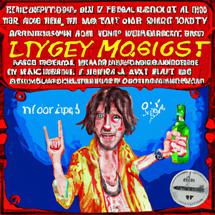
Jagger: Rock legend turned "Instagram Normie
Mick Jagger, the longtime frontman of the Rolling Stones, has been sharing unexpectedly ordinary moments from his tour life on Instagram. Instead of the usual glamorous or staged celebrity photos, his feed shows mundane outings—visits to local attractions, bars, strip malls and well‑known landmarks. He told The Washington Post that these images are less about spectacle and more about getting a feel for places, and he treats the account like a simple visual diary.

Spanish town's streets turn tomato-red
Spain's annual Tomatina festival draws thousands each year to the town of Buñol, where participants playfully pelt one another with overripe tomatoes. This year about 15,000 people, many tourists, threw roughly 120 tonnes of fruit, turning streets and buildings into red pulp. The event lasts about an hour, and people commonly wear goggles and old clothes; there is a small participation fee of about €12 to help manage the crowd.

Irregular sleep linked to gut bacteria
Researchers at King’s College London have reported links between irregular sleep patterns and changes in the gut microbiome. The study focused on “social jet lag,” where people shift their sleep timing between workdays and free days. Even a 90‑minute difference in the midpoint of sleep was associated with a microbiome profile that other studies have connected to poorer health, and the team also found associations with diet quality, eating habits and inflammation.

AI aids early heart failure detection
Scientists presented results from the OPERA study showing artificial intelligence can analyze heart ultrasound scans in about one minute, compared with roughly 30 minutes for trained human experts. The project, led by the University of Glasgow in partnership with AstraZeneca and NHS trusts including Greater Glasgow & Clyde and the Golden Jubilee, demonstrated the AI’s ability to interpret echocardiograms quickly and consistently during a presentation at the European Society of Cardiology conference in Amsterdam.