Build a conspiracy theory from scratch.
The best way to learn to spot a conspiracy theory is to make one yourself.
Pick a real news story. On the next step you'll choose who's behind it and why. Then walk through the four moves real conspiracists use, with a debunk on every step.
- Hunt anomalies — turn coincidence into evidence of a secret plot.
- Fabricate connections — draw lines between unrelated dots until they look meaningful.
- Dismiss counter-evidence — if a fact disagrees, make the fact part of the cover-up.
- Discredit the critics — dismiss people who point out flaws in your theory.
Pick the event.
Choose whichever real-feeling headline your imagination will run wildest with. Don't overthink it.

Exercise Prevents Heart Rhythm Disorder
Researchers studying more than 15,000 people report that higher physical fitness is linked to a lower chance of developing atrial fibrillation, an irregular heartbeat that raises the risk of stroke fivefold. The study, presented at the ESC Congress 2023, used treadmill exercise tests to estimate fitness in metabolic equivalents (METs) and followed participants over time to see who developed heart rhythm problems or strokes.

India launching Sun-bound spacecraft.
India’s space agency ISRO plans to launch Aditya-L1, a satellite designed to observe the Sun, on 2 September. The spacecraft will travel to the Sun–Earth Lagrange Point 1, about 1.5 million kilometres from Earth, where it can keep the Sun continuously in view. The mission follows India’s successful Chandrayaan-3 Moon landing and represents a major step in the country’s expanding space programme, aimed at improving understanding of solar activity.

Robots replace talent scouts in music industry crisis
For decades the music industry relied on A&R scouts—talent spotters who traveled to clubs, small venues and local gigs looking for acts with hit potential. In recent years that search has moved online as social media and streaming platforms such as TikTok and Spotify let artists reach large audiences without labels. Record companies now monitor streams, follower growth and viral trends to decide where to invest, changing how new talent is discovered and promoted.
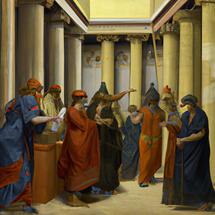
Fixing the British Museum's Anachronism
The British Museum is dealing with a major internal crisis after allegations that a senior curator removed and sold roughly 2,000 items from its collection via eBay. Reports say the revelations prompted the museum director to resign and have led to calls for an independent review. The case has drawn attention to weaknesses in oversight and controls at one of the world’s largest museums, raising questions about how objects are tracked and safeguarded.